
- No product in the cart.
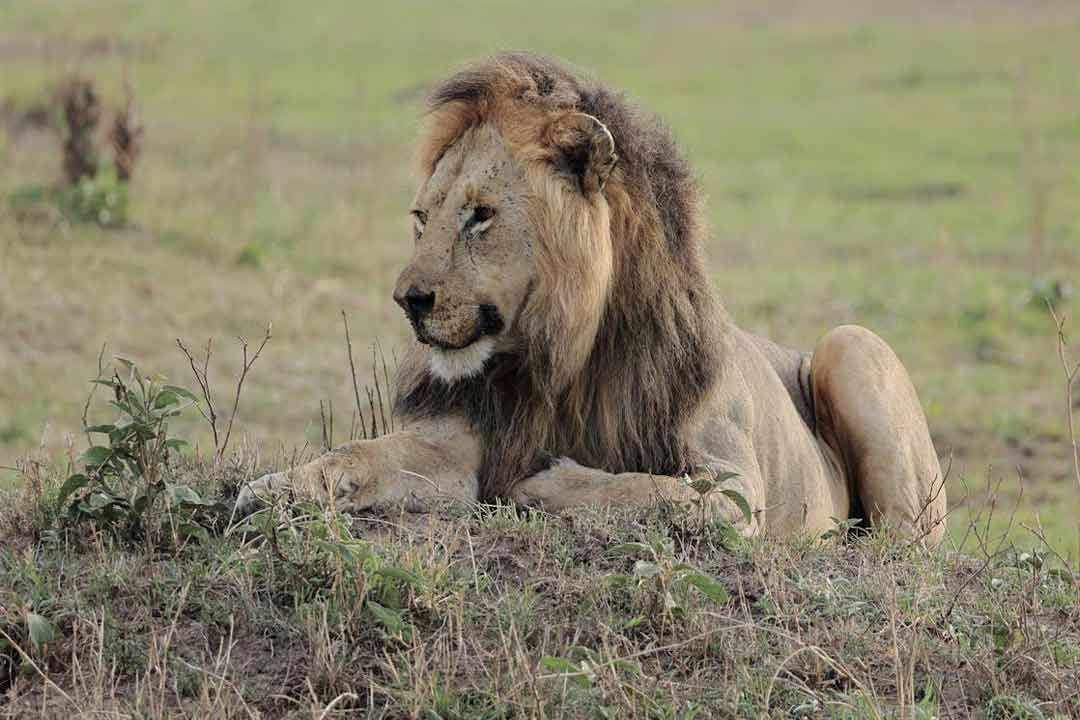
How Seasonal Conditions Affect Trophy Quality in Africa
African trophy quality is influenced heavily by seasonal conditions such as heat, humidity, rain, and overall climate. Hunters often focus on species availability and safari dates, but few realize how much the time of year affects the condition of hides, horns, manes, and capes. At Collett’s Wildlife Artistry, we’ve seen how proper planning and understanding the seasons can dramatically improve African trophy quality.
Why Climate Matters for Trophy Preservation
Africa’s climate can be extreme — scorching heat, sudden rain, intense humidity, and long dry spells. Each of these elements affects how quickly bacteria forms, how easily a hide cools, and how well capes preserve before they reach the taxidermist.
The season you choose can make the difference between a flawless shoulder mount and a damaged or slipped cape.
Early Season (April–June): Cooler Weather, Better Preservation
Many hunters consider early season the ideal time for maintaining African trophy quality. Temperatures are mild, nights are cool, and bacterial growth is slower. These conditions mean hides cool faster and dry more predictably.
Advantages include:
- Less risk of hair slip
- Easier cooling and handling
- Better field conditions for skinning
- Reduced insect activity around capes
If you want the highest possible African trophy quality, early season is a strong choice.
Mid-Season (July–August): Prime Hunting With Dry Conditions
Mid-season is the most popular time to hunt — especially in Zimbabwe and South Africa. Dry conditions mean animals concentrate near water sources, creating excellent hunting opportunities. Fortunately, it’s also a good time for African trophy quality as long as care is taken.
Benefits include:
- Low humidity
- Minimal rain
- Quick cape drying for salted hides
- Stable temperatures during the day
However, midday heat can still be intense, so cooling hides quickly remains essential.
Late Season (September–October): Hot Weather Challenges
This period brings very high temperatures across many regions. While hunting conditions can still be excellent, the heat poses a major challenge to African trophy quality. Hides spoil quickly if not cooled immediately.
Risks include:
- Rapid bacterial growth
- Hair slip in face and neck areas
- Salt curing becoming less effective
- Increased insect and blowfly activity
Late-season hunting requires extremely careful field preparation and fast delivery to the taxidermist.
Rainy Season (November–March): Difficult for Trophy Preservation
While some species can be hunted during or near the rainy season, wet conditions create real challenges for trophy care. Moisture, humidity, and mud all threaten African trophy quality.
Complications include:
- Difficult drying of salted hides
- High humidity slowing the curing process
- Mud contamination on capes and manes
- Increased risk of mold formation
Hunters choosing this season should work with experienced teams who understand proper hide handling in wet environments.
Heat: The Number One Enemy of Trophy Capes
Regardless of the season, heat is the biggest threat to African trophy quality. As soon as the animal is down, the race begins to cool the cape, especially the face and neck.
Crucial steps include:
- Keeping the animal in shade immediately
- Opening the cape to release trapped heat
- Avoiding plastic bags
- Never stacking warm hides together
- Using airflow to cool the hide quickly
The faster the cape cools, the better the final mount will look.
Humidity and Moisture: Silent Destroyers
Humidity slows down drying and salt penetration, which can cause hidden spoilage. Even when a cape looks fine on the outside, moisture trapped beneath the hide can harm African trophy quality.
Precautions include:
- Salting hides on sloped, well-drained surfaces
- Re-salting daily during humid conditions
- Ensuring hides never dry in rolled or folded positions
- Keeping capes away from wet ground and damp environments
Wind and Dust: An Unexpected Factor
While dry, windy conditions help with cooling, they can also dry hides too fast. Over-dried or sunburnt hides become stiff, brittle, and difficult to mount.
To protect African trophy quality:
- Keep capes out of direct sun
- Cover drying hides lightly to prevent dust contamination
- Monitor hide flexibility during drying
Why Choose Collett’s Wildlife Artistry
Our team has decades of experience preserving trophies across all seasons in Zimbabwe and South Africa. We understand how climate affects African trophy quality and provide hunters with clear guidance before, during, and after the safari. When you hunt with knowledge and preparation, your trophies will last a lifetime.
Want expert advice on how seasonal conditions affect trophy quality? Our team is here to guide your planning for the best results.
📩 Contact Us | 🦌 Explore Our Services | 🌍 Collett’s Wildlife Artistry